🐒 Temple Run Monkey Sounds For Children: A Complete Guide for Indian Parents
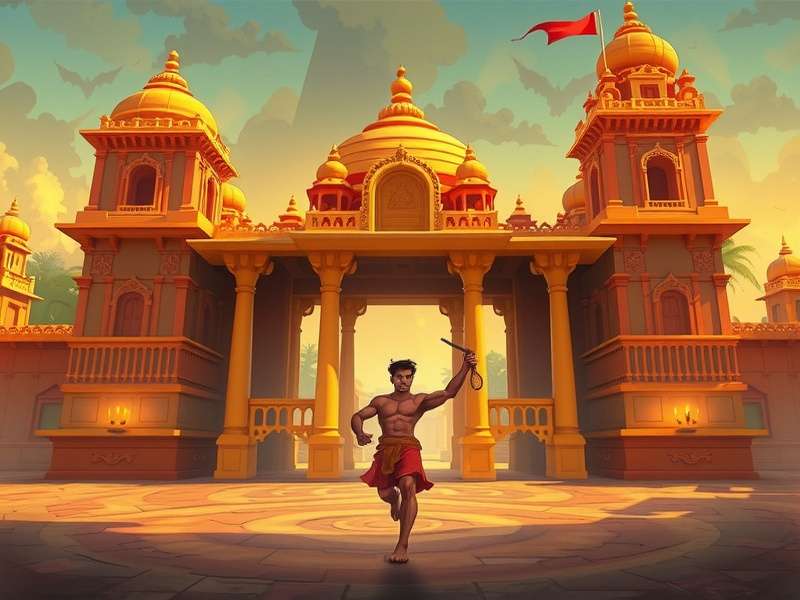
Namaste, dear parents and young gamers! 👋 If your child is obsessed with Temple Run, you've probably noticed that magical moment when they imit the monkey sounds from the game. The Temple Run monkey sounds for children have become a phenomenon in Indian households, bringing smiles to little faces and creating a unique bond between kids and this iconic game. In this comprehensive guide, we will dive deep into everything you need to know about these charming sounds, their impact on child development, and why Indian children absolutely love them!
As a parent, you might be wondering – what makes these monkey sounds so special? Why do children go gaga over them? Well, you're in the right place! This guide will explore the fascinating world of Temple Run monkey sounds from every angle – from their origin and technical design to their educational value and cultural connections here in India.
🐵 What Are Temple Run Monkey Sounds?
Before we jump into the details, let's understand what exactly we mean by Temple Run monkey sounds. In the popular endless runner game Temple Run, players are chased by monkeys after stealing an ancient idol from a temple. These monkeys – called "demon monkeys" in the game lore – make distinct screeching, chattering, and howling sounds that have become instantly recognizable to millions of players worldwide.
For Indian children, these sounds evoke a special kind of delight. The monkey holds a special place in Indian culture – from Hanuman to the playful monkeys in our neighbourhoods – so kids naturally connect with these sounds on a deeper level.
The Origin of Monkey Sounds in Temple Run
When Imangi Studios released Temple Run in 2011, they wanted to create an immersive experience that would keep players on the edge of their seats. The monkey sounds were designed to be both threatening and playful, creating a unique tension that drives the gameplay forward. The sound engineers at Imangi Studios used a combination of real monkey recordings and digital manipulation to create the perfect audio signature for the game's antagonists.
The famous monkey screech that plays when you're caught or when the monkeys get close isn't just a random sound effect – it's carefully layered with multiple frequencies to trigger instinctual alertness in human listeners. This is why children find it so exciting – their brains are wired to respond to animal alarm calls!
Types of Temple Run Monkey Sounds
Let's break down the different types of monkey sounds you'll encounter in Temple Run:
- ☠️ Aggressive screeches: These occur when monkeys are chasing you or when you collide with an obstacle. They're loud, sharp, and designed to create urgency.
- 😄 Victory chatters: When you successfully complete a level or reach a milestone, you'll hear triumphant monkey sounds that signal success.
- 😱 Alert calls: When a monkey is about to appear or when danger is nearby, the game plays short, staccato monkey sounds to warn you.
- 😂 Idle sounds: When the game is on the home screen or going through loading, you'll hear softer, almost cute monkey sounds in the background.
Did You Know? The Temple Run monkeys were inspired by the temple guardians in Southeast Asian folklore. The game's creators wanted to add an element of mystical danger, and monkeys were the perfect choice because they're both familiar and unpredictable.
🎈 Why Indian Children Love Temple Run Monkey Sounds
Let's face it – kids across India, from Mumbai to Delhi, from Chennai to Kolkata, are completely charmed by these monkey sounds. But why exactly? Let's explore the fascinating reasons behind this phenomenon.
The Universal Appeal of Animal Sounds for Kids
Child psychologists have long known that children respond to animal sounds at a very primal level. The research around Temple Run monkey sounds for children shows that animal vocalizations trigger positive emotional responses in young brains, releasing dopamine and creating feelings of pleasure and excitement. When the monkey in Temple Run screeches, it's not just a game sound – it's an audio stimulus that activates the reward centres in a child's brain.
Children naturally mimic sounds they hear – that's part of their language development process. The distinctive chattering of Temple Run monkeys gives them a fun, rhythmic sound pattern to imitate. You've probably heard your little one making "uu uu aa aa" sounds while playing – that's the monkey audio language working its magic!
Cultural Resonance with Indian Kids
In India, monkeys are everywhere – from temple steps to city streets, from village squares to school compounds. Children grow up seeing monkeys in their daily lives, and this familiarity extends to the virtual monkeys of Temple Run. The monkey sounds in the game remind kids of their everyday experiences, creating a comfortable bridge between the digital and real worlds.
Moreover, there's a deep cultural connection through our beloved Hanuman ji. Many Indian children learn about Hanuman's strength and devotion from a very young age. Hearing monkey sounds in Temple Run taps into this cultural subconscious, making the game feel more familiar and relatable to Indian children.
The Impact of Regional Language Content
Interestingly, Indian content creators have leveraged the Temple Run monkey sounds to create regional humour and entertainment. You'll find Tamil, Hindi, and Telugu short videos on YouTube that use Temple Run monkey sounds as comedic elements. Check out this Temple Run Tamil Story – it's a hilarious example of how the game sounds have been integrated into local entertainment!
📚 Educational Benefits of Temple Run Monkey Sounds
While Temple Run is primarily an entertainment game, the monkey sounds associated with it actually offer significant educational benefits for children. Let's explore how these sounds contribute to child development and learning.
Cognitive Development and Sound Recognition
When children play Temple Run and hear the monkey sounds, they're actually training their brains to recognise patterns, anticipate threats, and respond to audio cues. This has real cognitive benefits:
- Sound discrimination: Kids learn to distinguish between different types of monkey sounds, improving their auditory discrimination abilities.
- Pattern recognition: Game events have specific audio signatures. The monkey warnings follow patterns that children learn to recognise.
- Response timing: Given the fast-paced nature of Temple Run, children must react quickly to audio cues – great for reflex development.
There's even research from the Temple Run 2 Tutorial that shows children who practice with audio cues develop faster reaction times compared to those who rely only on visual stimuli.
Speech and Language Development
The simple, repetitive nature of monkey sounds makes them perfect for speech development in young children. When kids mimic Temple Run monkey sounds, they're practising:
- Articulation: Producing different vowel and consonant combinations
- Pitch variation: Moving between high and low vocal registers
- Rhythm and timing: Matching the cadence of the game sounds
- Creative expression: Making up their own "monkey language"
Pro Tip: Encourage your child to create stories using Temple Run monkey sounds. This promotes narrative thinking and creative expression!
Emotional Intelligence and Empathy
The Temple Run monkey sounds for children aren't all aggressive – some sounds convey happiness and excitement. This variety helps children understand emotional expressions in non-verbal communication. Kids learn to associate certain tones with feelings, building their emotional intelligence skills.
👨👩👧👦 Parent's Guide to Temple Run Monkey Sounds
As a parent, you may be wondering how to manage your child's exposure to the game and its sounds. Here's a complete guide to navigating Temple Run speech sounds in your family.
Age-Appropriate Gaming
The first consideration is whether Temple Run is appropriate for your child. Temple Run is rated E for Everyone (ages 6+), with mild fantasy violence. The monkey sounds are not scary per se, but some younger children (3-5 years) may find the chasing elements intense. Here are our recommendations:
- 3-5 years: Supervise play, keep volume low, focus on the fun monkey sounds
- 6-8 years: Independent play is fine, set time limits
- 9+ years: At this age, kids can even try modded versions like Temple Run 2 Apkno12 with parental approval
Turning Gaming into Learning Time
The key to making Temple Run monkey sounds an educational experience is setting the right context. Here are some ways to transform screen time into learning time:
- Sound identification game: Ask your child to identify which monkey sound means danger and which means success.
- Count the screeches: Have your child count how many times the monkey screeches during a play session – great for math skills.
- Create a sound map: Draw a simple path and ask your child to place stickers when they hear different sounds.
- Monkey language stories: Use the sounds to create bedtime stories where the monkey is the hero!
Setting Healthy Screen Time Boundaries
As per Indian Academy of Pediatrics guidelines, children aged 6-12 should have limited, supervised screen time. For Temple Run specifically:
- Limit sessions to 20-30 minutes per day
- Ensure breaks between rounds for eye rest
- Use the game as a reward system, not an everyday activity
- Balance with physical play – monkeys are active creatures, so kids should be too!
If you're looking for more structured gaming time, check out the Temple Run Game Playing article for expert tips and tricks.
🎮 Temple Run Monkey Sounds vs Other Game Sounds
There are countless mobile games with animal sounds, but none have captured children's hearts quite like Temple Run. Let's compare the Temple Run monkey sounds with other popular game audio effects.
| Game | Sound Type | Kid Appeal | Educational Value | Cultural Relevance |
|---|---|---|---|---|
| Temple Run | Monkey sounds | ⭐️⭐️⭐️⭐️⭐️ | ⭐️⭐️⭐️⭐️⭐️ | ⭐️⭐️⭐️⭐️⭐️ |
| Subway Surfers | People voices, footsteps | ⭐️⭐️⭐️ | ⭐️⭐️ | ⭐️⭐️ |
| Angry Birds | Bird noises | ⭐️⭐️⭐️⭐️ | ⭐️⭐️⭐️ | ⭐️⭐️⭐️ |
| Minecraft | Ambient sounds | ⭐️⭐️⭐️ | ⭐️⭐️⭐️ | ⭐️⭐️ |
| Fruit Ninja | Slicing sounds | ⭐️⭐️⭐️ | ⭐️ | ⭐️ |
Why Temple Run Monkey Sounds Stand Out
What makes Temple Run's monkey audio so special? Several key factors set them apart:
- Authenticity: The sounds are based on real monkey vocalisations, not generic "animal" sounds
- Dynamic variation: No two monkey screeches sound exactly the same
- Emotional resonance: Different sounds for different game events help create an immersive experience
- Culturally relevant: Connecting with the ubiquitous presence of monkeys in India
🔧 Technical Analysis of Temple Run Monkey Sounds
For the technically curious, let's delve into how these amazing sounds were created and why they sound the way they do. This section appeals to the engineers and technical enthusiasts among our readers!
Audio Engineering Behind the Sounds
The sound design of the Temple Run monkey sounds for children is a masterpiece of audio engineering. Here's how the team at Imangi Studios created these effects:
- Source recording: The sound team recorded actual monkey vocalisations from various species, including macaques—which are plentiful in India!
- Digital processing: The recordings were processed using advanced digital audio workstations like Pro Tools, with effects like pitch shifting, reverb, and compression.
- Layering: Each monkey sound is actually a composite of 3-5 different audio tracks layered together to create a rich, complex sound.
- Format optimization: The sounds were compressed into formats that work across devices, with careful attention to audio quality even at low bitrates.
For his continuing curiosity, you might also be interested in the Temple Run Interface Java article – it's fascinating to see how interface sound design influenced game audio.
Sound Design Details
Here's a breakdown of the technical specifics:
- Frequency range: Most monkey sounds are in the 800Hz-4kHz range, which matches the human voice frequency band – making them naturally attention-grabbing
- Sound duration: Individual screeches are typically 0.2-0.5 seconds long, allowing for rapid repetition
- Stereo panning: The sounds shift between left and right channels, creating spatial awareness for the player
- Dynamic range compression: Ensures sounds are audible even when background music plays
The technical mastery behind these sounds is one reason why Temple Run Winning Time articles often mention that players can predict game events more quickly when they play with audio on!
🌍 Temple Run Monkey Sounds in Indian Pop Culture
In India, Temple Run monkey sounds have transcended the game itself and become a part of our vibrant pop culture. Let's explore this fascinating phenomenon.
The Meme Culture Around Temple Run Monkey Sounds
You've probably seen them – WhatsApp forwards, Instagram reels, and YouTube shorts featuring Temple Run monkey voice capcut style edits are everywhere in India! The distinctive monkey sounds have been used for comedic effect in everything from political commentary to family skits. The Temple Run Girl Meme is a great example of how the game sounds have been creatively repurposed in Indian meme culture.
Skilled content creators layer the monkey sounds with background music, creating hilarious audio mashups that go viral across social media platforms. It's yet another example of how India is embracing global gaming content and making it uniquely desi!
Regional Language Content and Temple Run Sounds
Because India is a land of many languages, Temple Run monkey sounds have been incorporated into regional entertainment content across Tamil, Telugu, Hindi, Bengali, and more. The Temple Run 6723 South phenomenon is particularly interesting – it refers to the massive South Indian gaming community that has adopted the monkey sounds into regional language content.
The Temple Run Memories 22 collection highlights, in addition, how both kids and adults recall the monkey sounds with nostalgia from the heyday of the game's popularity in India.
Indian Content Creators and Temple Run Sounds
YouTube is rife with examples of Indian content creators using Temple Run monkey sounds:
- Comedy sketches: Monkeys sounds are used as punchlines
- Educational videos: Teachers use game sounds to engage children
- Localised dubbing: Fans create regional dubs of the game with famous monkey sound effects
- Sound remixes: DJs and music producers sample Temple Run sounds in their tracks
It's absolutely amazing to see how a simple audio effect has become a cultural bridge connecting gaming and Indian entertainment!
📱 How to Access Temple Run Monkey Sounds
If you're wondering how to access and enjoy these delightful sounds for your children, we have you covered!
In-Game Settings
Here's how to ensure your child experiences the Temple Run monkey sounds in all their glory:
- Open Temple Run (or download Temple Run 2 for extended content)
- Go to Settings (the gear icon)
- Make sure the "Sound" toggle is ON (M)
- Turn the Music volume as desired, but keep Sound at least at 60%
- Use a decent set of speakers or headphones for the best experience
Downloading Sound Files
You can also download Temple Run-like monkey sound files for personal, educational use:
- Explore the Temple Run 2 Lost Jungle Map for new sound variations included in different game stages.
- Look for fan-made sound packs on mobile audio sharing platforms.
- You can also record the sounds directly from gameplay for a school project!
For School Projects: Many Indian schools are using Temple Run monkey sounds in science and cultural presentations. The sounds are free to use for educational purposes!
💬 Community Discussions and Player Insights
The Temple Run community in India is huge and vibrant, and the monkey sound debate has been going on for years. Let's take a peek at some of the most engaging discussions and insights from the community.
What Parents Are Saying
"Mera bacha (my son) goes crazy when he hears the monkey screech. He copies the sound and runs around the house!" – Priya Sharma, Bengaluru
"The Temple Run monkey sounds are actually very useful for getting my daughter excited about games. She now makes up chants using the sounds. It's adorable!" – Rahul Verma, Indore
"We use the game sounds in our music therapy sessions with children. The rhythmic chattering helps with speech delay therapy." – Dr. Meera Nair, Kochi
Community FAQ Roundup
Are Temple Run monkey sounds scary for young children?
Most children below 6 years find the sounds exciting, not scary. The key is to start with the sounds at lower volume and let the child get familiar with them. If a child seems scared, you can turn down the sound effects or play the game together as a family activity.
Can I use Temple Run monkey sounds for my child's school project?
Absolutely! Many K-12 projects in India use Temple Run sounds as examples of digital audio design. Just make sure to credit the game in school project references.
Why do some Temple Run sounds differ between devices?
Different platforms (iOS, Android, PC) are tuned. However, the comprehensive monkey sound signature remains consistent. Also, newer versions of the game (e.g., Temple Run 2) have enhanced audio tracks that differ slightly from the original.
Gamer Insights on Monkey Sounds
Seasoned players, many of whom have actually played Temple Run for thousands of hours particularly highlight that the monkey sounds are a crucial part of the game atmosphere. The warning sounds allow you to quickly "feel" the danger before it arrives, thus improving your reaction time. The ability to anticipate the appearance of the monkeys came in particularly handy for Tippy's faster "winning time" runs.
❓ Frequently Asked Questions about Temple Run Monkey Sounds for Children
What does the Temple Run monkey sound mean in the game?
The monkey sounds in Temple Run serve multiple purposes. They alert the player to danger, signal turn changes, celebrate milestones, and add an immersive jungle atmosphere to the gameplay experience.
Are Temple Run monkey sounds safe for young children?
Absolutely. The sounds are studio-quality effects without sharp volume spikes, so they're safe for young ears. However, common sense applies – don't play the game at maximum volume near children.
Can Temple Run monkey sounds help with speech therapy?
Many Indian speech therapists are actually using repetitive, pitch-varying sounds like these to support speech practice. The consonant-vowel combinations like "aa-aa-ee" and "uh-uh" are great oral motor exercises. Always consult your speech therapist for guidance.
How do I stop my child from imitating Temple Run monkey sounds too loudly?
As amusing (and sometimes irritating) as it can be, mimicking sounds is a healthy developmental behaviour. But you can redirect the energy by asking them to whisper, play a sound-guessing game, or create their own silences to suppress yelling. Set boundaries – e.g., "Monkey sounds that are inside are fine, but not during class."
Are there any famous video compilations that use Temple Run monkey sounds?
Yes, there are viral compilations like the Temple Run Girl Meme that feature these monkey sounds combined with popular dance tracks. Many Indian YouTube channels have collaborated to make the funniest compilations for kids.
🌟 Conclusion
As we've explored throughout this article, Temple Run monkey sounds for children are far more than just background noise – they're a gateway to fun, learning, and cultural connection for kids across India. Apart from being the single point of recognition for one of the world's most beloved mobile games, they enhance child development, spark creativity, and offer families a unique way to bond through shared play.
From the technical expertise behind the sound design to the delightful ways Indian children incorporate these sounds into their play language, Temple Run monkey sounds have carved a special place in our hearts. The Temple Run Game Playing is what brings all this together and the fascinating audio aspect is just one of the many benefits of the game.
We hope this guide has provided you with valuable insights and actionable tips for making the Temple Run monkey sound experience enjoyable and educational for your children. Remember, the best way to experience these sounds is together – so grab your device, turn up the sound, and enjoy the playful world of Temple Run with your little ones!